Lesson 9 - Uncertainty, Default, and Risk |
||||||||||||||||||||||||||||||||||||
|
This lesson introduces uncertainty, default, and risk. The methods for calculating expected returns and risk are introduced, and also how to adjust a rate of return to include default risk. Finally, credit agencies are introduced. |
||||||||||||||||||||||||||||||||||||
Calculating Expected Returns and Risk |
||||||||||||||||||||||||||||||||||||
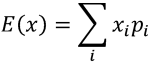
The Expected Return is:
Note - the probability always sums to one, because all outcomes are included. Moreover, all probabilities lie between zero and one.
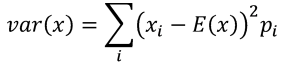
The variance is how spread out the outcomes are around the expected return
Standard Deviation is how spread out the outcomes are around the expected return
Expected rate of return is 82.5, variance is 356.25, and standard deviation is 18.87
In this class, all calculations are risk neutral, because they are easier to calculate
|
||||||||||||||||||||||||||||||||||||
Default Risk and Other Risks |
||||||||||||||||||||||||||||||||||||
Example of default risk - you give a loan to a person for $400 and he promises to pay you back in one year at 10% interest
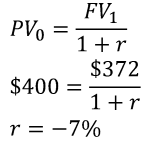
What is expected return of loan? Expected payment amount is $440 (0.8) + $200 (0.1) + $0 (0.1) = $372 What is expected return of loan? Expected return is
Similar to the last lesson, you compare your return to a comparable U.S. government security and add a default premium to the loan If a comparable one-year T-bill is 3%, you should expect a higher rate of return.
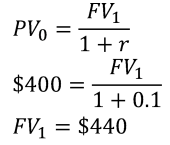
What if we wanted an expected rate of return of 10%
Substitute $440 into the expected payment amount
You would charge your friend 31.25% interest. The default premium is 31.25%-3% = 28.25% All debt is financed by a combination of equity and loans
|
||||||||||||||||||||||||||||||||||||
Credit Ratings |
||||||||||||||||||||||||||||||||||||
|
||||||||||||||||||||||||||||||||||||